 April 1, 2026 6:55 am
A crucial and level-headed perspective isn’t one that is often lost when business performance falters and knee-jerk reactions take the place of strategic thinking.
The core principle of sound business management not to panic—analyze. It’s about responding, not reacting.
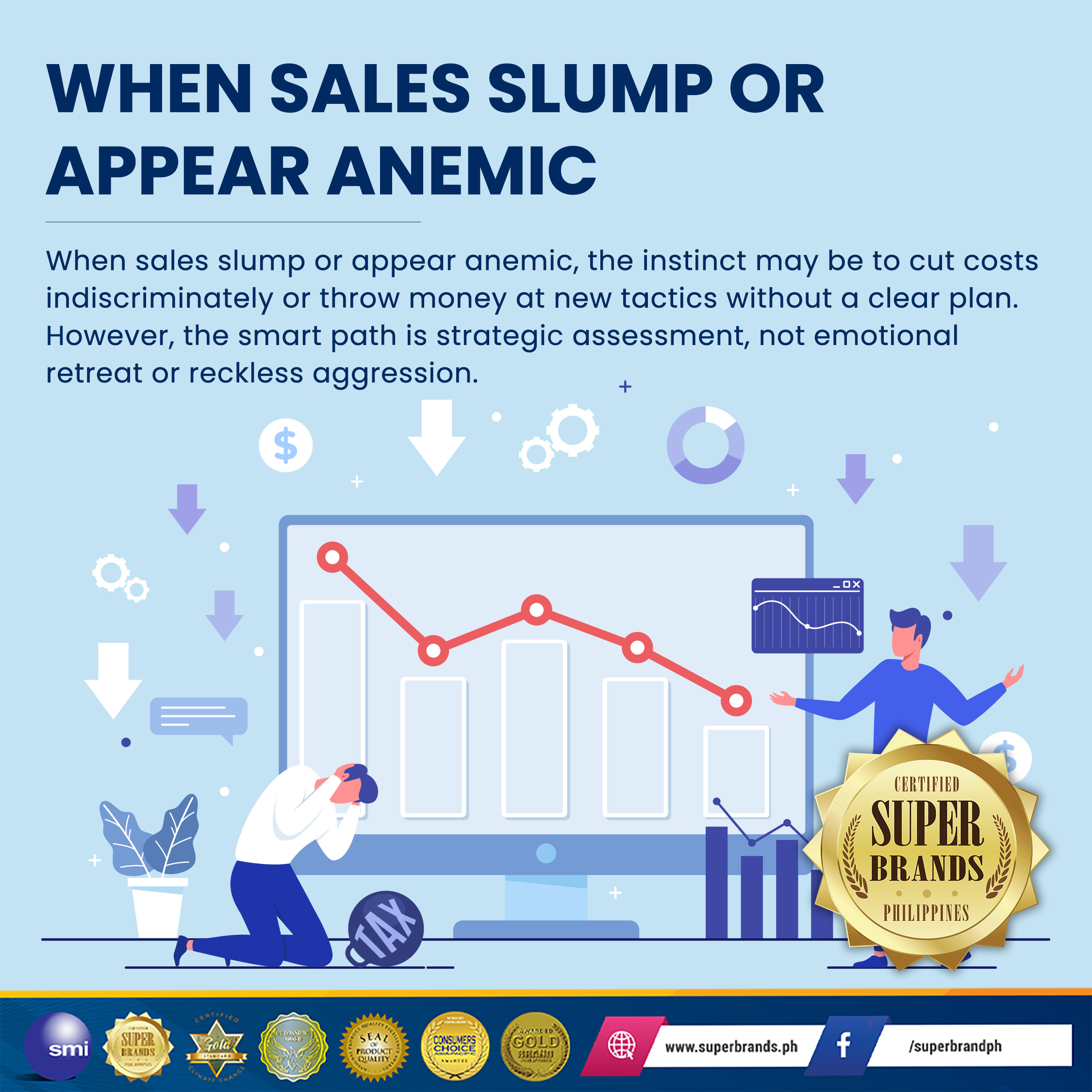
When sales slump or appear anemic, the instinct may be to cut costs indiscriminately or throw money at new tactics without a clear plan. However, the smart path is strategic assessment, not emotional retreat or reckless aggression.
Avoid panic. Embrace analysis…
Understanding market conditions is about perspective over time. Sales over one quarter might be down, but compared to a 3- or 5-year trend, it may simply be a dip in an otherwise stable trajectory. Ask yourselves;
- Are current trends seasonal or cyclical?
- Is this a temporary downturn or a structural shift?
- Are you evaluating based on relevant timeframes?
Context is everything. Time gives data meaning.
- Cash flow dictates your ability to stay agile and solvent in the short term.
- Capitalization and reserves dictate your resilience—can you ride out storms?
- Strategic tools like ROI projections and depreciation models help measure long-term efficiency and sustainability.
It’s not just about how much you earn, but how well you manage what you have.
Bring attention to something many businesses ignore: are you reaching the right people, with the right message, on the right platforms?
Today’s digital platforms are accessible—but not always effective unless aligned with your goals.
- Who exactly is your target market today?
- Have they shifted? Have their behaviors changed?
- Are your ad creatives relevant and compelling?
- Are your platforms (socmed v traditional and expensive media) aligned with where your market actually lives?
You can’t just market louder—you have to market smarter.
Short-term panic decisions can sabotage long-term potential.
- Short-term: Focus on liquidity, marketing effectiveness, core profitability.
- Medium-term: Consider innovation, product pivots, and operational efficiency.
- Long-term: Brand building, strategic alliances, sustainable growth models.
Without a clear horizon, every bump in the road feels like a crisis.
But agility doesn’t mean abandoning strategy—it means continuously calibrating strategy with real-market conditions.
Stay in business—but on your own terms, with clarity, adaptability, and intention.
Markets will always be erratic at times. The businesses that survive—and thrive—are those that don’t just endure the turbulence, but learn to read the winds.